Daft Punk: Son Impact, Sa Musique, Son Héritage | Complete Guide
- The Origins: From Paris Underground to Global Breakthrough
- The Sound Evolution: Reinvention as an Artistic Principle
- Daft Punk’s Cultural Impact
- Influence on Modern Electronic Music
- The Production Philosophy: Analog Warmth Meets Digital Precision
- Robotic Mythology and Artistic Control
- Industry Recognition and Critical Authority
- The Breakup and the Aftermath
- Why Daft Punk Still Matters in 2026
- FAQ
- Conclusion: A Timeless Electronic Blueprint
Few musical acts have transformed global electronic music as profoundly as daft punk. From underground Parisian house experiments to worldwide stadium anthems, the French duo redefined how electronic music could sound, look, and feel. Their artistic vision combined analog warmth, futuristic aesthetics, emotional songwriting, and technological innovation — creating a legacy that extends far beyond club culture.
This in-depth guide explores Daft Punk: son impact, sa musique, son héritage, analyzing their origins, musical evolution, cultural influence, production techniques, and the long-term imprint they left on modern music. Whether you're a longtime fan or discovering them for the first time, this comprehensive breakdown provides historical context, expert insight, and authoritative references.
The Origins: From Paris Underground to Global Breakthrough
Formed in Paris in the early 1990s by Thomas Bangalter and Guy-Manuel de Homem-Christo, daft punk emerged during the explosion of the French house movement. Inspired by Chicago house, Detroit techno, and European electronic experimentation, the duo developed a distinct sound characterized by filtered disco samples, punchy drum machines, and infectious grooves.
Their debut album Homework (1997) introduced raw, repetitive club tracks such as “Around the World” and “Da Funk,” marking a turning point in electronic music’s global reach. At a time when dance music was often dismissed as repetitive or disposable, the duo proved it could be conceptual, stylish, and culturally significant, explored in depth in our internal feature on the rise of the French Touch movement — provided the perfect ecosystem for their breakthrough.
The Sound Evolution: Reinvention as an Artistic Principle
Homework (1997): Raw Energy
The debut delivered gritty house textures built for warehouses and underground dance floors. Its minimalism became part of its strength.
Discovery (2001): Melody and Emotion
With Discovery, daft punk shifted toward lush harmonies, vocoder vocals, and pop structure. Tracks like “One More Time” blended euphoria with nostalgia. The album demonstrated that electronic music could be both emotionally resonant and commercially successful.
Human After All (2005): Repetition and Minimalism
A darker, stripped-down project, this record explored mechanical repetition and distortion — reflecting themes of technology and identity.
Random Access Memories (2013): Analog Renaissance
The Grammy-winning album marked another reinvention. Featuring live instrumentation and collaborations with artists like Pharrell Williams and Nile Rodgers, it bridged disco heritage with modern production. It received global critical acclaim, including Album of the Year at the Grammy Awards.
For detailed discography and verified production credits, consult the authoritative overview on
AllMusic.
Daft Punk’s Cultural Impact
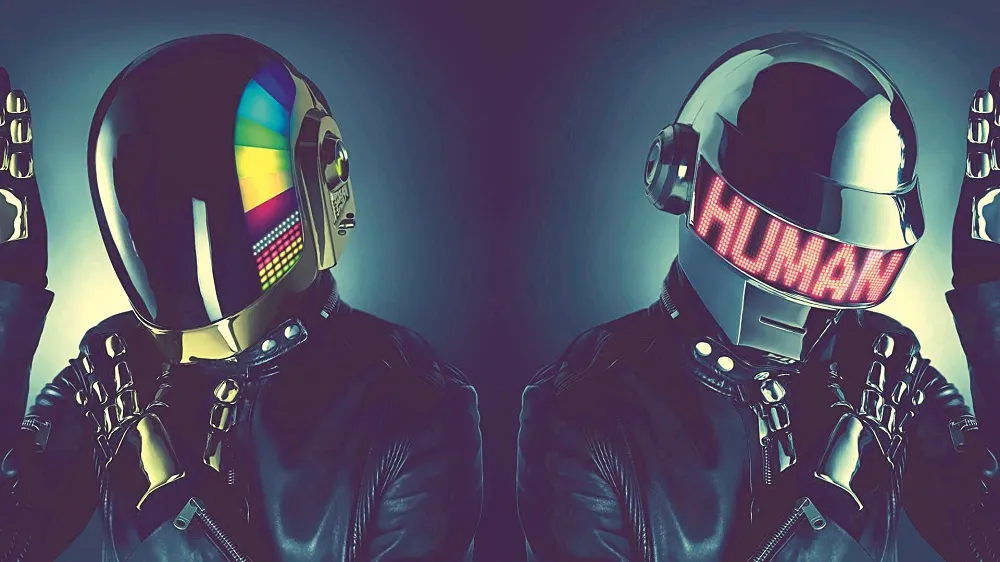
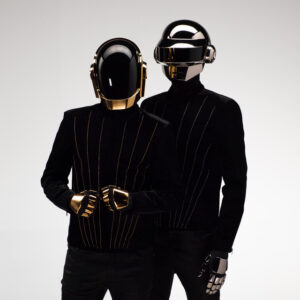
The influence of daft punk extends far beyond music charts. Their helmeted robot personas became symbols of artistic mystique in a hyper-exposed digital era. By removing their human identities from public view, they redirected focus toward sound and performance art.
Visual Identity and Live Shows
The 2007 Alive tour pyramid stage production redefined electronic live performance. Instead of DJs behind laptops, audiences experienced synchronized lighting, stage architecture, and immersive storytelling. Today’s festival mega-productions owe much to that blueprint.
This evolution of stage presence connects closely to broader discussions explored in our article on
technology and stage performance, where we analyze how digital tools transformed DJ culture.
Influence on Modern Electronic Music
Many contemporary producers cite daft punk as a foundational influence. From EDM superstars to underground techno artists, their blending of groove, melody, and conceptual artistry reshaped genre boundaries.
Their crossover success also opened commercial doors for French electronic artists. The lineage from French house pioneers to modern innovators is evident when studying figures like
Thomas Bangalter’s influence on French house and the broader scene evolution.
Even outside house music, pop, hip-hop, and indie artists adopted their techniques: filtered builds, sidechain compression textures, vocoder harmonies, and retro-futuristic aesthetics.
The Production Philosophy: Analog Warmth Meets Digital Precision
One of the most defining elements of daft punk’s legacy is their hybrid production philosophy. Unlike many fully digital producers of the 2000s, they valued vintage synthesizers, live musicianship, and studio experimentation.
During the making of Random Access Memories, they recorded at legendary studios, used live drummers, and minimized computer quantization. This analog return influenced a wave of producers seeking authenticity in an increasingly digital landscape.
Their approach parallels the historical development of electronic experimentation, including early instrument innovations such as the theremin — discussed in our deep dive on
the fascinating history of the theremin.
Robotic Mythology and Artistic Control
Choosing to “become robots” in 1999 was more than aesthetic branding. It allowed complete narrative control. Interviews were rare, appearances selective, and marketing minimal. In a social-media-dominated era, this scarcity created mystique and strengthened authority.
This deliberate distance reinforced trust in their craft: no overexposure, no constant algorithm-driven releases — just carefully constructed projects.
The duo earned multiple Grammy Awards and consistent critical acclaim. More importantly, they reshaped how electronic music is perceived within mainstream institutions. What was once niche club culture gained recognition as high art.
Major music publications frequently list their albums among the greatest electronic records ever produced. Academic discussions about digital identity, anonymity, and performance art often reference their robot personas as case studies.
The Breakup and the Aftermath
In 2021, daft punk announced their split through an artistic video titled “Epilogue.” Rather than a press conference, they delivered a cinematic farewell — consistent with their brand storytelling.
Their separation did not diminish their relevance. Streaming numbers surged, vinyl sales increased, and retrospectives multiplied. Their catalog remains a benchmark for electronic production quality.
Why Daft Punk Still Matters in 2026
More than three decades after their formation, their influence persists because:
- They balanced underground credibility with mainstream appeal.
- They reinvented themselves across eras.
- They respected musical history while innovating technologically.
- They built a coherent artistic universe.
The conversation around Daft Punk: son impact, sa musique, son héritage is not nostalgia — it is an ongoing evaluation of modern electronic foundations.

FAQ
When was Daft Punk formed?
The duo formed in Paris in the early 1990s before releasing Homework in 1997.
Why did Daft Punk wear helmets?
They adopted robot personas in 1999 to maintain privacy and artistic mystique.
What is their most successful album?
Random Access Memories won multiple Grammy Awards including Album of the Year.
Did Daft Punk influence modern EDM?
Yes, their production style and live performances shaped global EDM standards.
When did Daft Punk split?
They officially announced their breakup in 2021 via the Epilogue video.
Conclusion: A Timeless Electronic Blueprint
Daft Punk: son impact, sa musique, son héritage represents more than a discography. It symbolizes artistic discipline, sonic innovation, and cultural transformation. Their work continues to inspire producers, performers, scholars, and fans worldwide.
By merging technology with emotion, anonymity with identity, and underground culture with global recognition, daft punk built a legacy that transcends trends. Their music remains a blueprint for electronic excellence — and their story continues to shape the future of sound.
Deja un comentario
Lo siento, debes estar conectado para publicar un comentario.