Clubs Historiques à Paris et en France | Rex Club & Electronic Legacy
- Rex Club: The Temple of Parisian Techno
- Le Palace: Where Glamour Met Electronic Evolution
- Concrete: The Floating Revolution
- La Machine du Moulin Rouge: Cultural Hybridization
- Beyond Paris: Lyon, Marseille & Bordeaux
- The Role of Clubs in Artist Development
- Sound Systems and Acoustic Identity
- From Underground Resistance to Cultural Recognition
- Why Clubs Still Matter in 2026
- FAQ
The story of French electronic music cannot be told without honoring its Clubs historiques. These venues were more than nightlife destinations — they were laboratories of sound, cultural incubators, and launchpads for artists who would later dominate global stages. From Paris to Lyon, Marseille to Bordeaux, legendary dance floors helped define the identity of electronic music in France.
In this in-depth guide, we explore the most influential Clubs historiques in Paris and other major cities, their cultural impact, their role in shaping underground movements, and why they still matter in 2026.
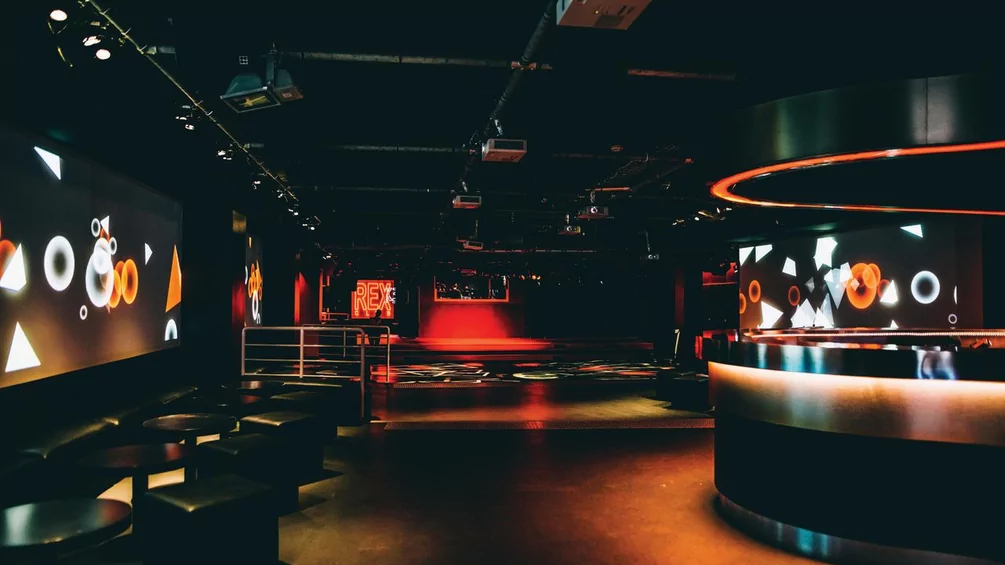
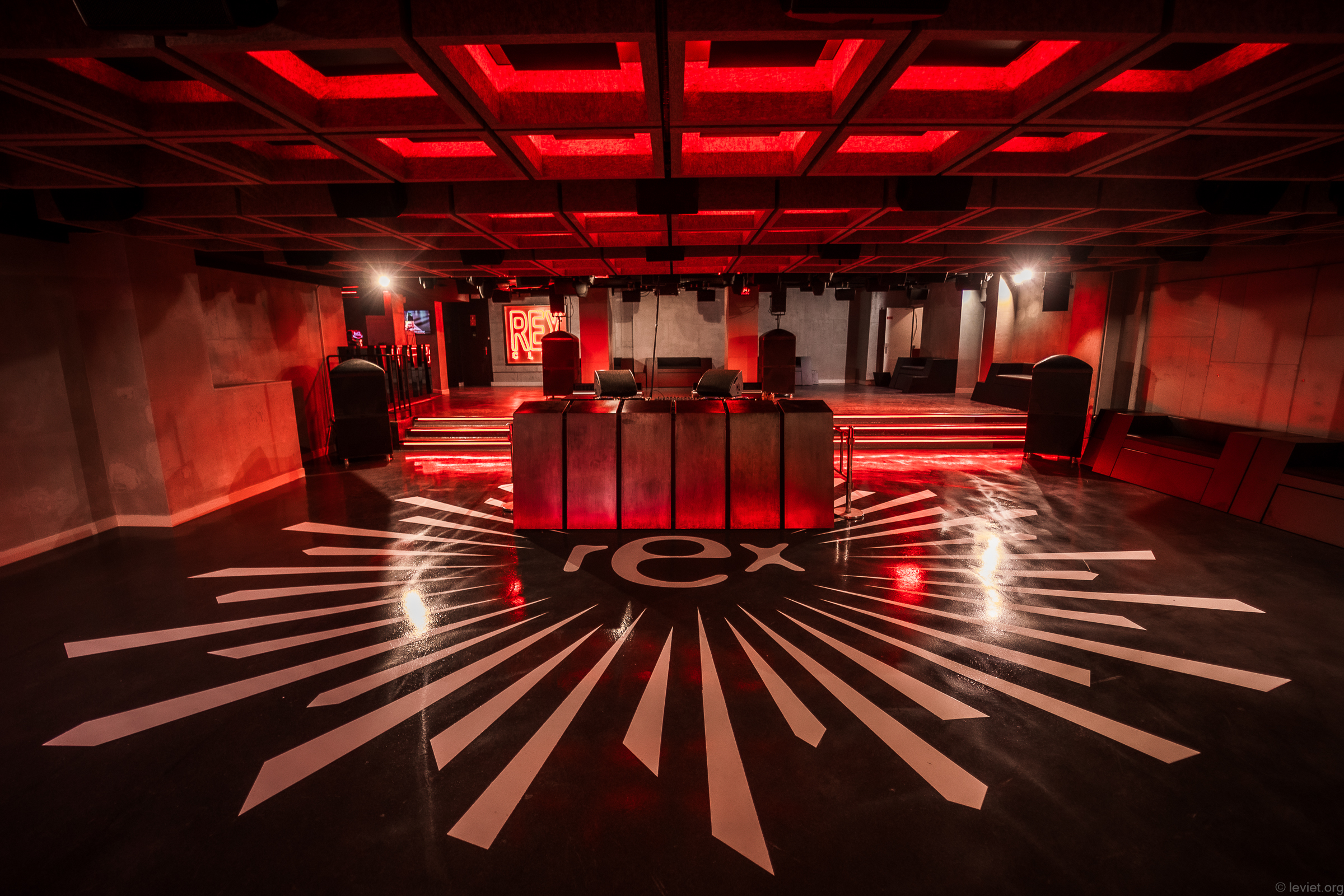
Rex Club: The Temple of Parisian Techno
No discussion about Clubs historiques begins without the iconic located in the heart of Paris, this venue has been a cornerstone of electronic culture since the late 1980s.
The club became a sanctuary for techno and house during a period when electronic music was still fighting for mainstream recognition in France. International legends such as
helped establish its reputation as a serious, forward-thinking space.
Rex Club’s programming philosophy has always prioritized musical integrity over trends. Its intimate, dark atmosphere places the focus on sound quality — a defining trait of true Clubs historiques.
Le Palace: Where Glamour Met Electronic Evolution
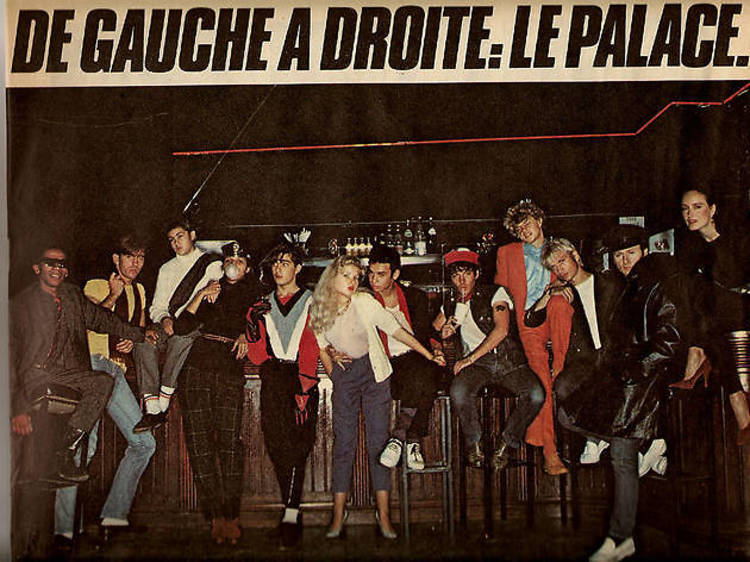
Before techno fully dominated Paris nightlife, represented the glamorous intersection of disco, art, and avant-garde culture. During the late 1970s and 1980s, it became a cultural hub where music, fashion, and performance collided.
Although not exclusively electronic, Le Palace contributed to the Clubs historiques legacy by shaping the aesthetic and social environment that later allowed house and techno to flourish.
Concrete: The Floating Revolution
Operating on a boat along the Seine, redefined Parisian nightlife in the 2010s. Its marathon daytime and sunrise parties created a new clubbing ritual that prioritized musical journeys over commercial formats.
Concrete symbolized a generational shift in the definition of Clubs historiques. It attracted both local talent and international headliners, reinforcing Paris as a techno capital.
For more on how techno evolved in France, explore our feature on how classic electronic genres continue to influence modern sound.
La Machine du Moulin Rouge: Cultural Hybridization
Another essential Parisian venue is with multiple rooms and eclectic programming, it bridges mainstream electronic acts and underground experimentation.
This hybrid model reflects the modern evolution of Clubs historiques: adaptability without losing identity. Its strategic booking of techno, house, and bass artists mirrors the diversity of the contemporary French electronic scene.
Beyond Paris: Lyon, Marseille & Bordeaux
Lyon’s Le Sucre
has become one of the most respected rooftops in Europe. Combining art exhibitions and forward-thinking lineups, it represents the intellectual side of club culture.
Marseille’s Baby Club
has long been a cornerstone for southern France’s house and techno communities.
Bordeaux’s I.BOAT
— another boat-based venue — reinforces the idea that innovative spaces often become Clubs historiques through cultural consistency and bold programming.
The Role of Clubs in Artist Development
France’s electronic identity is inseparable from its venues. Before global festivals and Ibiza residencies, DJs refined their craft inside these intimate spaces.
Our article on the rise of the French DJ from the Paris metro to international stages explains how club culture nurtured new talent.
Without Clubs historiques, many producers and DJs would never have built the confidence, technical skill, or audience connection required for global success.
Sound Systems and Acoustic Identity
One defining characteristic of true Clubs historiques is their sound system quality. French venues have traditionally invested in acoustic engineering, prioritizing immersive audio over flashy décor.
This emphasis on sonic excellence directly influenced production styles, encouraging artists to design tracks optimized for club acoustics rather than radio play.
You can explore how production philosophy evolved in our analysis of the foundations of French electronic music.
From Underground Resistance to Cultural Recognition
Electronic clubs were not always celebrated institutions. In the 1990s, restrictive policies and public skepticism challenged nightlife culture. However, resilience turned adversity into identity.
Today, Clubs historiques are recognized as cultural landmarks contributing to tourism, creative industries, and urban development.
Major festivals such as often collaborate with established venues, reinforcing the bridge between club and festival ecosystems.
Why Clubs Still Matter in 2026
In an era dominated by streaming and digital DJ sets, physical spaces remain irreplaceable. Clubs offer collective emotional experiences that algorithms cannot replicate.
The future of
lies in balancing heritage with innovation — integrating immersive lighting, sustainable practices, and diverse programming while preserving their underground DNA.
FAQ
What is the most iconic club in Paris?
Rex Club is widely considered the most influential techno venue in Paris.
Are historic clubs still active today?
Many continue operating, adapting to modern electronic trends.
Why are clubs important for DJs?
They provide real-world testing grounds for sound and audience connection.
Do clubs influence music production?
Yes, producers design tracks to match club acoustics and energy.
Are historic clubs only in Paris?
No, cities like Lyon and Marseille also host iconic venues.
The Clubs historiques of France are more than nightlife venues — they are cultural institutions that shaped the sound, identity, and global influence of French electronic music. From Rex Club’s underground authority to innovative spaces in Lyon and Marseille, these venues forged artistic communities that continue thriving today.
As long as dance floors exist and communities gather around sound systems, the legacy of France’s Clubs historiques will endure — evolving, adapting, and inspiring future generations.
Deja un comentario
Lo siento, debes estar conectado para publicar un comentario.